


If you live in Quebec and sponsor your spouse, you sign two commitments: one with Ottawa, and the sponsorship undertaking in Quebec. Many people assume the Quebec undertaking lasts longer than the federal one. For a spouse or partner, it does not: the Quebec undertaking lasts 3 years, the same as the federal undertaking in the rest of Canada.
What changes in Quebec is everything around that number.
At a glance
- 3 years for a spouse or partner, the same as the federal undertaking
- It continues even if you separate or divorce
- You must live in Quebec
How long does the undertaking last?
3 years for a spouse, de facto spouse or conjugal partner, in Quebec and in the rest of Canada.
| Who you sponsor | Length in Quebec |
|---|---|
| Spouse, de facto spouse or conjugal partner | 3 years (same as the federal undertaking elsewhere in Canada) |
| Mother, father or grandparents | 10 years |
For other family members the periods are different, and Quebec sets its own.
What exactly do you commit to?
To cover your partner’s basic needs, so they never depend on social assistance.
That means housing, furniture, travel, food and clothing, plus health costs and job-integration costs that public programs do not cover.
If your partner receives last-resort financial assistance during those 3 years, you have to pay it all back.
Does it end if you separate?
No. The undertaking runs its full term, whatever happens.
Quebec is explicit: it continues even if your financial situation gets worse, and even if you separate or divorce. It is a commitment to the government, not to the relationship.
Who can sponsor in Quebec?
Someone who lives in Quebec, is 18 or older, and is up to date with past obligations.
- You must live in Quebec. A Canadian citizen can live abroad when applying, but must commit to living in Quebec once the partner becomes a permanent resident.
- You must not have received last-resort financial assistance, unless it was because of age or a severe disability.
- If you owe court-ordered support, you must have paid it over the past 5 years, or repaid what you owed before applying.
- Any earlier undertaking must have been honoured.
There is no general minimum income. Quebec only asks you to prove financial capacity if your partner has a dependent child who has children of their own.
How does the Quebec step work?
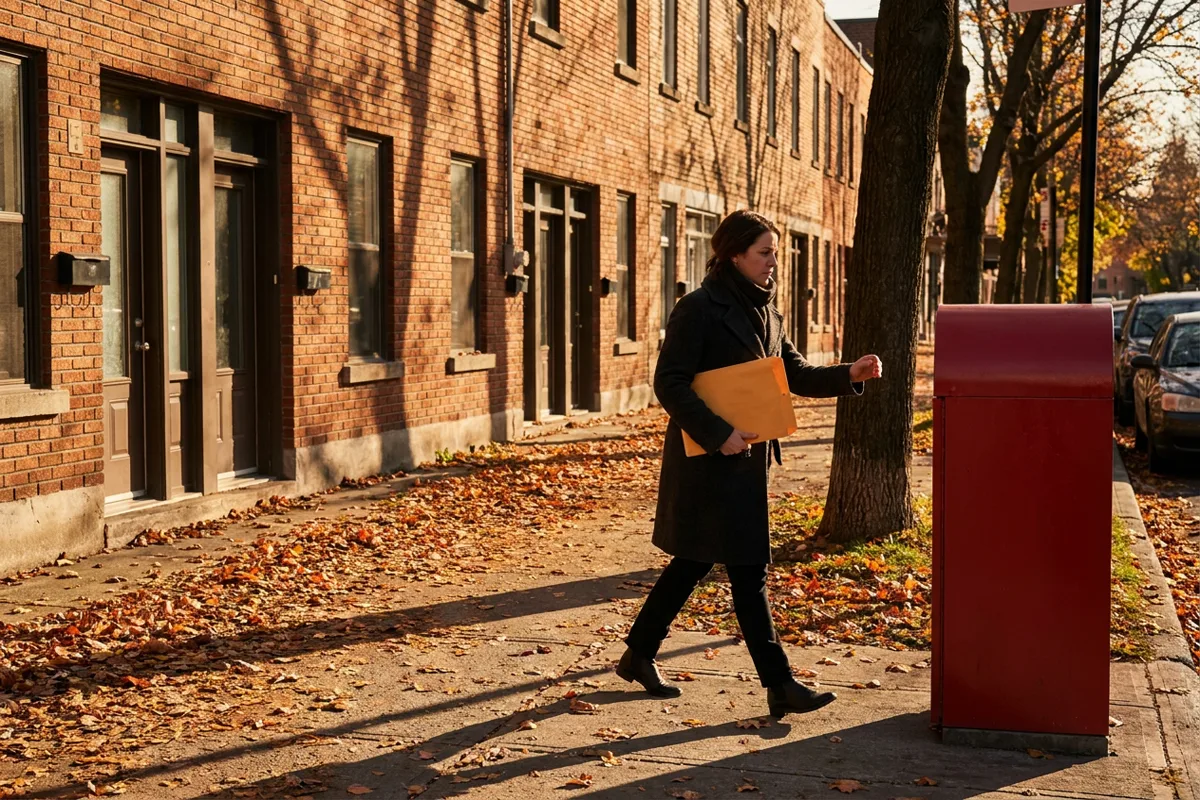
Ottawa first, then Quebec, by mail.
- IRCC assesses you as a sponsor first, and sends you an eligibility letter.
- You then send your undertaking application to Quebec, by mail, in a single envelope, with a copy of that IRCC letter.
- Fees since January 1, 2026: $335 for the first person you sponsor, and $135 for each additional person.
Where we come in
Castle & Co. prepares both sides of the sponsorship for couples in Quebec:
- Checking that you meet Quebec’s conditions before you apply
- Preparing the federal application and then the Quebec undertaking
- Making sure nothing is missing from the envelope
If you are still deciding which category fits your relationship, our post on spouse, common-law or conjugal partner explains the difference. If you are ready, start your process now and we will take you through both steps.